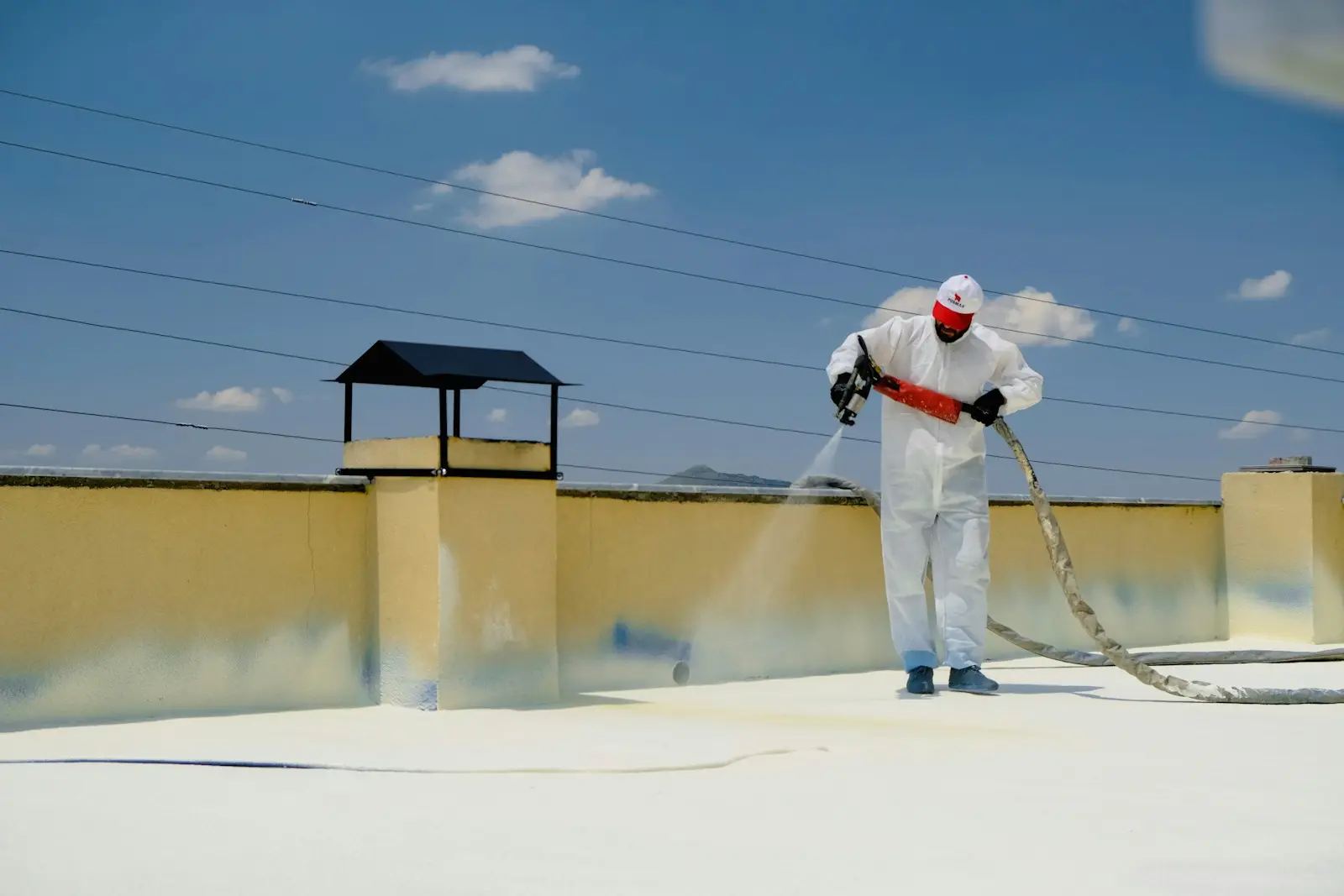
If you want a cooler house, repaint the roof a light colour. In NSW, BASIX treats any roof with a solar absorptance under 0.475 as a light roof, and those reflect far more of the sun's heat than dark roofs, which sit above 0.7. On the Northern Rivers, where summers are long and humid, that difference shows up in the roof space and in how hard the air conditioner works. Here is how to pick a colour that keeps the heat out without causing glare, clashing with estate rules, or showing every mark.
Does roof colour really change how hot a house gets?
Yes. A roof's colour decides how much of the sun's energy it absorbs. A dark roof soaks up most of it and passes that heat into the roof space; a light roof reflects most of it straight back. Renew, the independent sustainable-housing group, has reported that a black roof can reach around 80°C on a hot day, far hotter than a pale one under the same sun.
The heat in the roof space then works its way through the ceiling into the rooms below, especially where insulation is thin or old, which is common in Northern Rivers homes built before modern energy rules. Changing the roof colour won't replace good insulation and ventilation, but on a single-storey house it is one of the few upgrades that changes how the whole house feels in February.
How does NSW BASIX classify light, medium and dark roofs?
BASIX, the NSW sustainability scheme for new homes and major renovations, groups roof colours by solar absorptance, a number between 0 and 1 that measures how much sunlight a surface absorbs:
- Light: below 0.475
- Medium: 0.475 to 0.7
- Dark: above 0.7
The National Construction Code uses slightly different bands for its own energy calculations (light up to 0.40, medium 0.40 to 0.60, dark above 0.60), which is why paint and steel makers publish an absorptance figure for each colour.
You don't need a BASIX certificate to repaint an existing roof. But the same numbers are the easiest way to compare colours: ask for the solar absorptance of any colour you are considering and aim for the light band if heat is your main concern.
Which colours work best on a Northern Rivers roof?
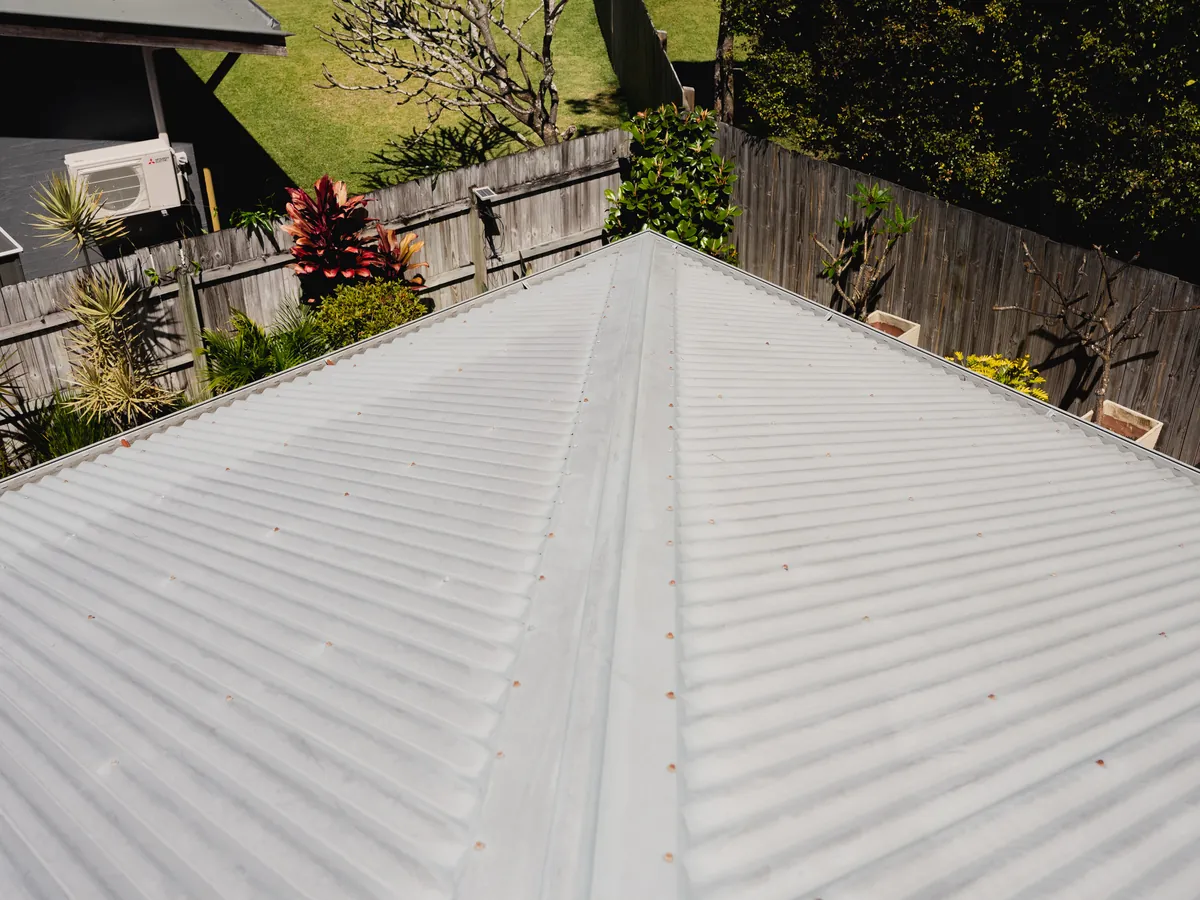
For heat, pale greys, off-whites, light sand and light stone tones do the most work. They sit in or near the light band and still look natural on brick, weatherboard and rendered homes.
Mid greys and soft greens are a good compromise when a very pale roof would look out of place, for example on an older brick home in Alstonville or Goonellabah, or in a street of darker roofs. They reflect noticeably more heat than charcoal without standing out.
Charcoal, black and deep blue look sharp, hide dust and salt marks, and are popular on new Colorbond homes. But they run the hottest and show fading most clearly on the north and west slopes, which take the most sun. If you love a dark roof, a heat-reflective version of the colour helps: BlueScope's Thermatech technology, for example, is built into all but one of the COLORBOND Classic colours to reflect more near-infrared heat than standard paint of the same shade. Ask your roof painter whether the membrane you choose has a heat-reflective option in the colour you want.
Will a lighter roof cause glare or show dirt?
It can, so check both before you commit.
Glare: a very pale, glossy roof on a steep pitch can throw light into a neighbour's upstairs windows, especially on sloping blocks in Lennox Head, Byron Bay and the hinterland. Choosing a light grey rather than a near-white, and a low-sheen finish, reduces that.
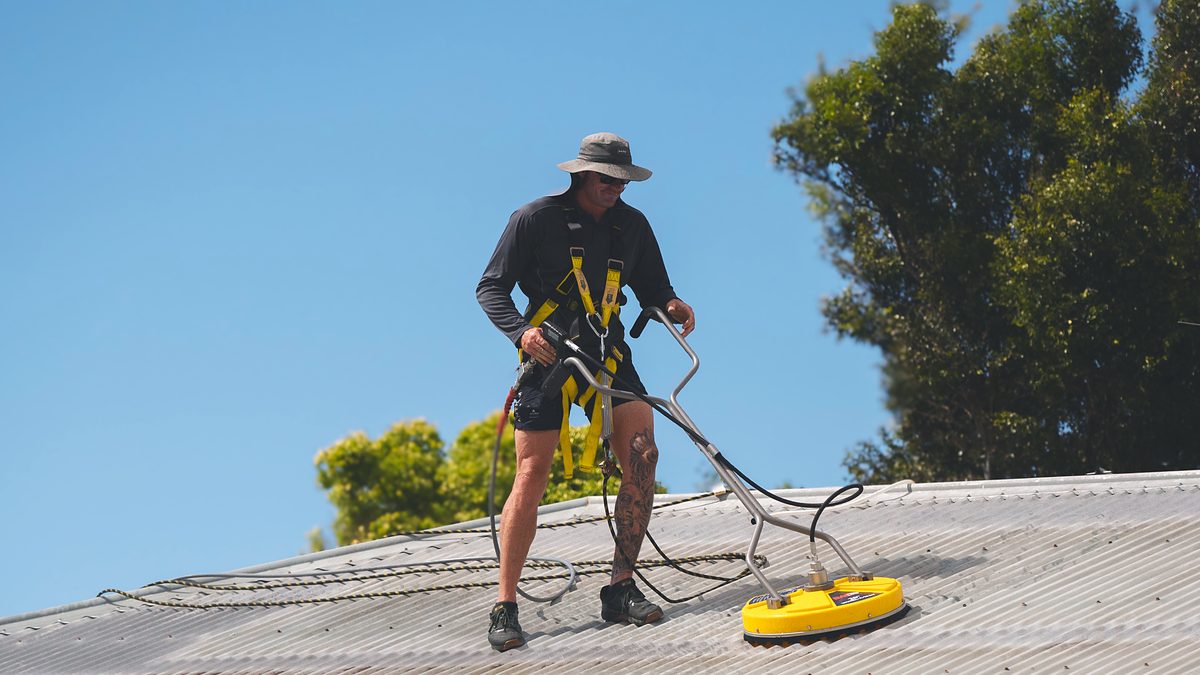
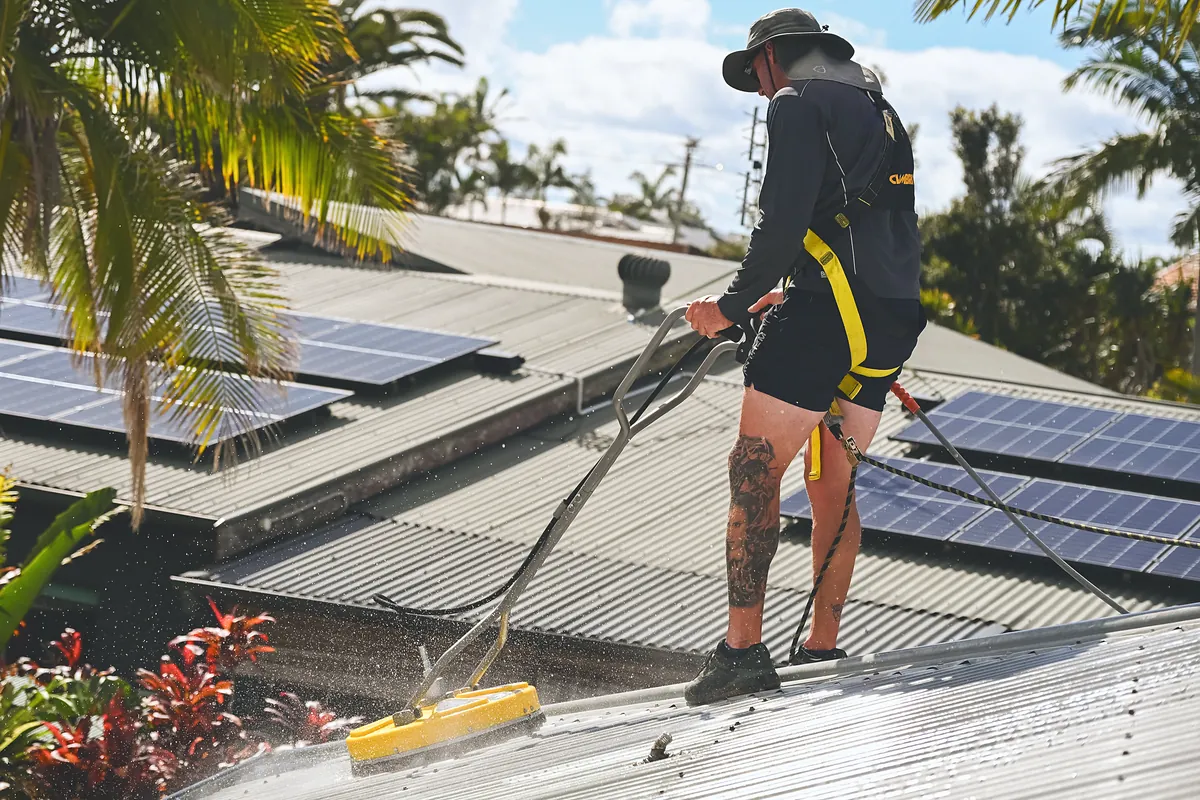
Dirt and mould: light roofs show lichen, black mould and rust staining sooner than dark ones. On the coast, where humidity is high and salt settles on everything, plan on a gentle clean every few years to keep a pale roof looking fresh. That same cleaning also helps any coating last longer, because salt and mould left on a roof break paint down faster.
What should you check before changing your roof colour?
Before you choose:
- Estate covenants and strata rules: many newer estates and strata complexes control roof colours, and some require approval for any change.
- Heritage areas: parts of Bangalow are a heritage conservation area where council consent is needed for exterior repainting, with preferred colours and finishes.
- Tank water: if your roof collects drinking water, the paint must be suitable for that use. BlueScope's TB-2 bulletin tells painters to confirm this with the paint maker.
- The sample in the sun: look at a painted sample on the roof, in full sun, at midday. Colours on a screen or a small chip under shop lights look very different on a whole roof.
How much does it cost to repaint a roof a new colour?
Changing colour costs the same as any roof painting job, because the prep and number of coats are the same. Our roof painting starts from $4,000 for an average single-storey home, confirmed after a free on-site inspection. That covers the clean, prep repairs, a primer or sealer and two topcoats in your chosen colour. Going from a dark colour to a much lighter one occasionally needs extra coverage, which we'll tell you about on the quote.
If you're weighing up colours, we can bring samples on the day and talk through how each will look on your house and street. Call Coastal Roofing Repairs on 0412 483 911 or ask for a free roof painting quote.
Questions
Common questions
Sources
Need this checked on your roof?
We're local to Lennox Head and cover the whole Northern Rivers. Every job is photo-documented and warranted.
- roof colours heat
- cool roof colours
- roof painting colours
- BASIX roof colour
- roof painting Northern Rivers
- light roof colour
Coastal Roofing Repairs
Local Northern Rivers roofers · 28 years on the tools · insured
Written by the Coastal Roofing Repairs team, 28 years roofing on the NSW North Coast. We work on coastal metal and tile roofs every day — these guides come straight from what we see on the tools, not a marketing desk.